What Is World Day Against Trafficking in Persons?
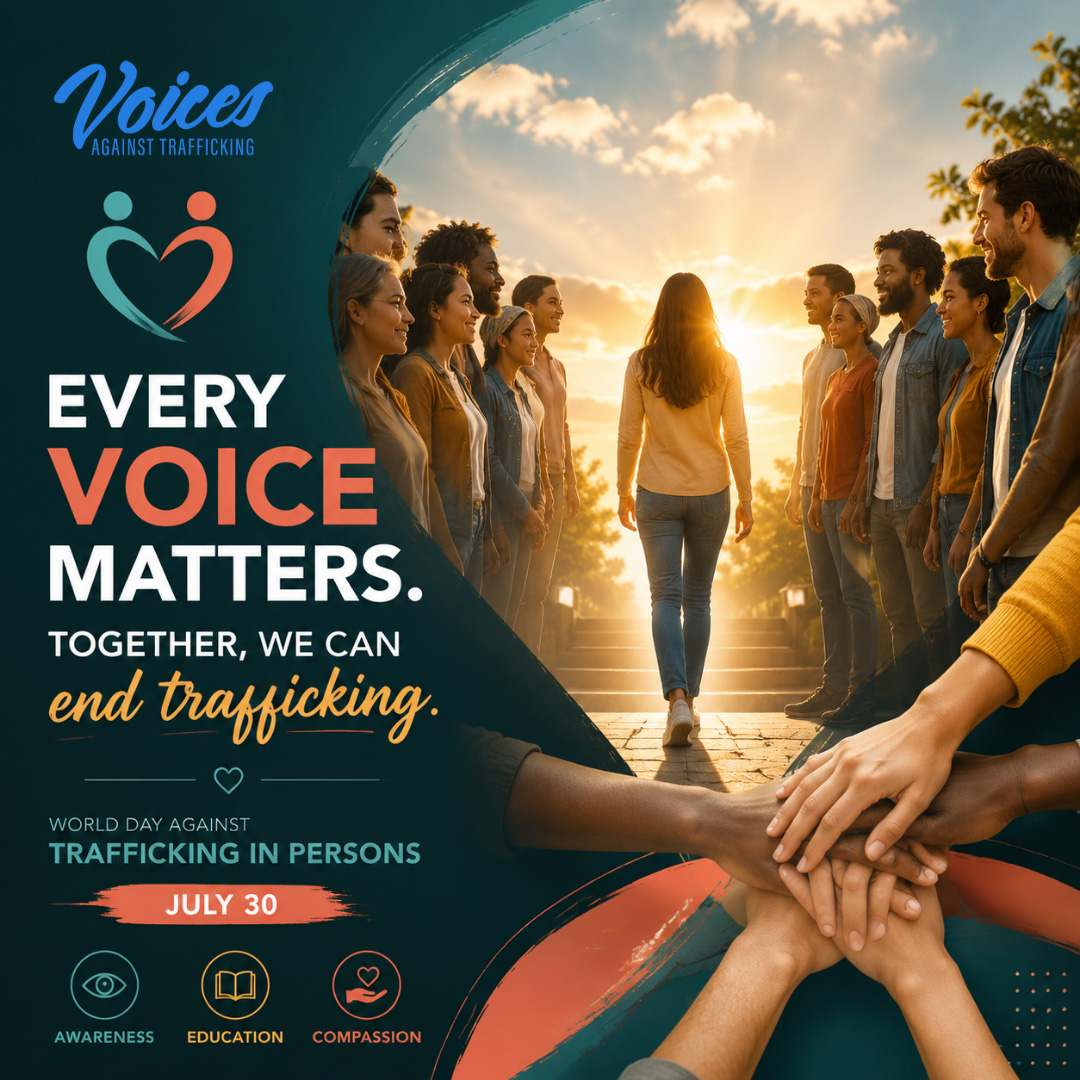
Every year on July 30, the United Nations marks World Day Against Trafficking in Persons, an observance created by the UN General Assembly in 2013 to raise awareness of the millions of people around the world who are bought, sold, and exploited every year. Human trafficking touches nearly every country, whether as a place where victims are recruited, moved through, or ultimately exploited. Under the UN’s Trafficking in Persons Protocol, trafficking is broadly defined as recruiting, transporting, or harboring people through force, coercion, deception, or abuse of power for the purpose of exploitation, including sexual exploitation, forced labor, servitude, and other forms of modern slavery.
Each year’s observance highlights a different dimension of this crime. The UN Office on Drugs and Crime has noted that traffickers frequently operate as part of organized criminal networks, and that victims are trafficked across a striking number of borders and nationalities every year, with children and vulnerable adults among those most at risk. The day is symbolized by the Blue Heart, representing solidarity with survivors and standing against the coldheartedness of those who profit from exploiting other human beings.
At Voices Against Trafficking, this day is a reminder of why our work matters every single day of the year, not just on July 30. Awareness, education, and compassion save lives, and every voice raised against trafficking brings us closer to a world where no one is bought or sold. Join us in marking this day, and help us keep the conversation going long after it ends.